Mass Protests in Iran Send Shockwaves around the World
Credit: Getty Images
(*editor’s note: this piece was composed prior to recent militant actions in Iran, and does not take into account wartime sentiment. Thank you for your understanding.)
The recent wave of protests in Iran marks one of the most significant and sustained challenges to the country’s leadership in decades. What began in September 2022 as demonstrations reacting to the death of Mahsa Amina has quickly evolved into a broader movement questioning social restrictions, political repression and economic hardship. Amini, a 22-year-old woman, had been arrested by the Guidance Patrol for allegedly violating Iran's strict dress code, and her death in custody ignited public outrage across the already unstable nation.
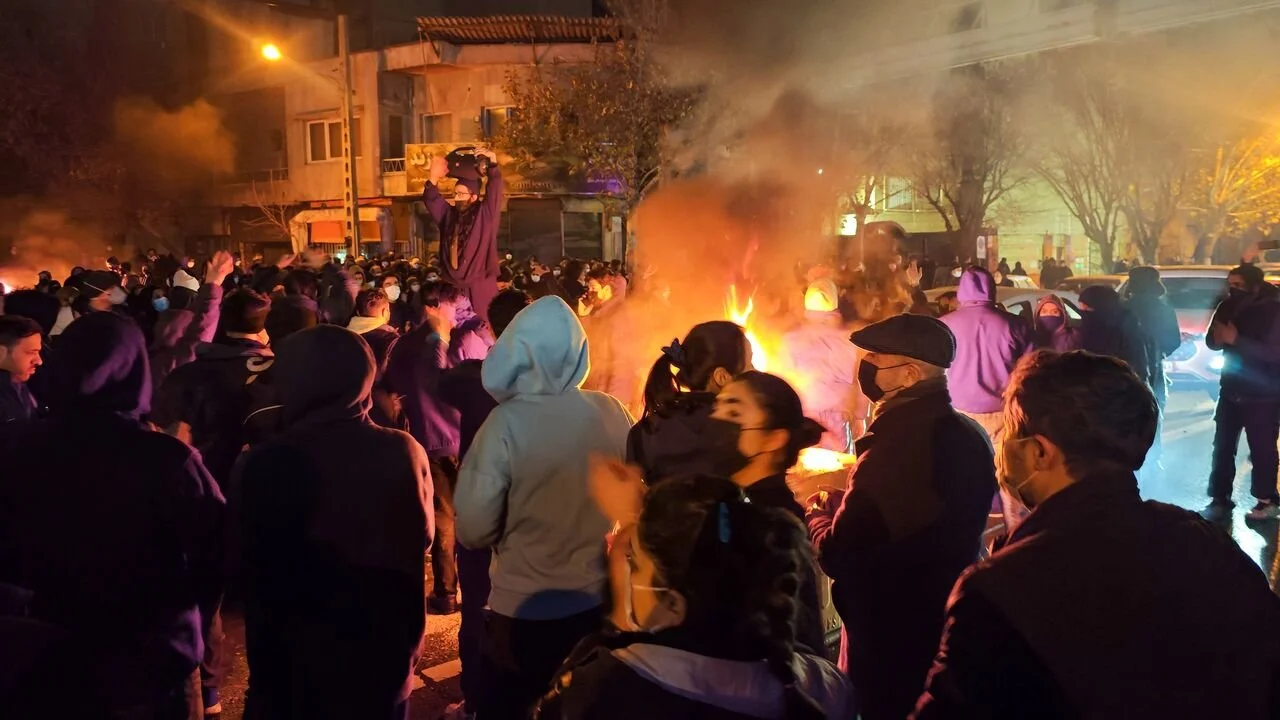
The protests first erupted in her hometown of Saqqez, rapidly spreading to major cities such as Tehran, Mashhad, Isfahan, and Shiraz. Demonstrators, many of whom were young women and students, protested on the streets chanting “Woman, Life, Freedom,” which became the defining rallying cry of the movement. Women remained publicly exposed and burned their headscarves, symbolizing defiance against the compulsory hijab laws that were instituted in wake of the Iranian Revolution in the late 1970s.
While the protests initially centered around women’s rights, they have continued to expand to reflect long-term unhappiness on economic mismanagement, corruption and political restrictions. Years of international sanctions, inflation, and unemployment have strained daily life for many Iranians. Protestors from diverse backgrounds --- students, workers and ethnic minorities --- voiced frustration with the broader governance of the country.
The Iranian authorities responded to these largely peaceful protests with force. Security forces deployed tear gas, rubber bullets and live ammunition in any effort to disperse large crowds. The number of protesters who have died is unknown, but is believed to be roughly around 36,500 individuals. In the protests of 2022-23, approximately 200 individuals were killed. The profound increase in the death toll showcases how Iranian authorities have responded with increased force and aggression.
The government also imposed temporary internet shutdowns and restricted access to social media platforms as part of an effort to minimize coordination and spread of information regarding the success of the protests. Iranian officials have alleged that the unrest is solely at the hands of foreign nations who have sought to destabilize Iran.
Internationally, many Western governments chose to formally condemn the crackdown, imposing further sanctions on the Iranian officials and institutions that hold a history of human rights abuses. Iranian officials have continued to insinuate that the protests were caused by behaviors from foreign nations and bring immense national security risks.
Although the scale of the protests has varied greatly, the protests will most certainly leave a lasting impact on Iranian society. The protests have delivered a stark reality on how the Iranian youth is becoming increasingly impatient and are committed towards achieving social freedoms and political reform. Regardless of the short-term outcomes, it is profoundly clear that the recent protests have sparked a new conversation surrounding freedom and independence in Iran.