
After Operation Epic Fury: Defining the End State of Iran
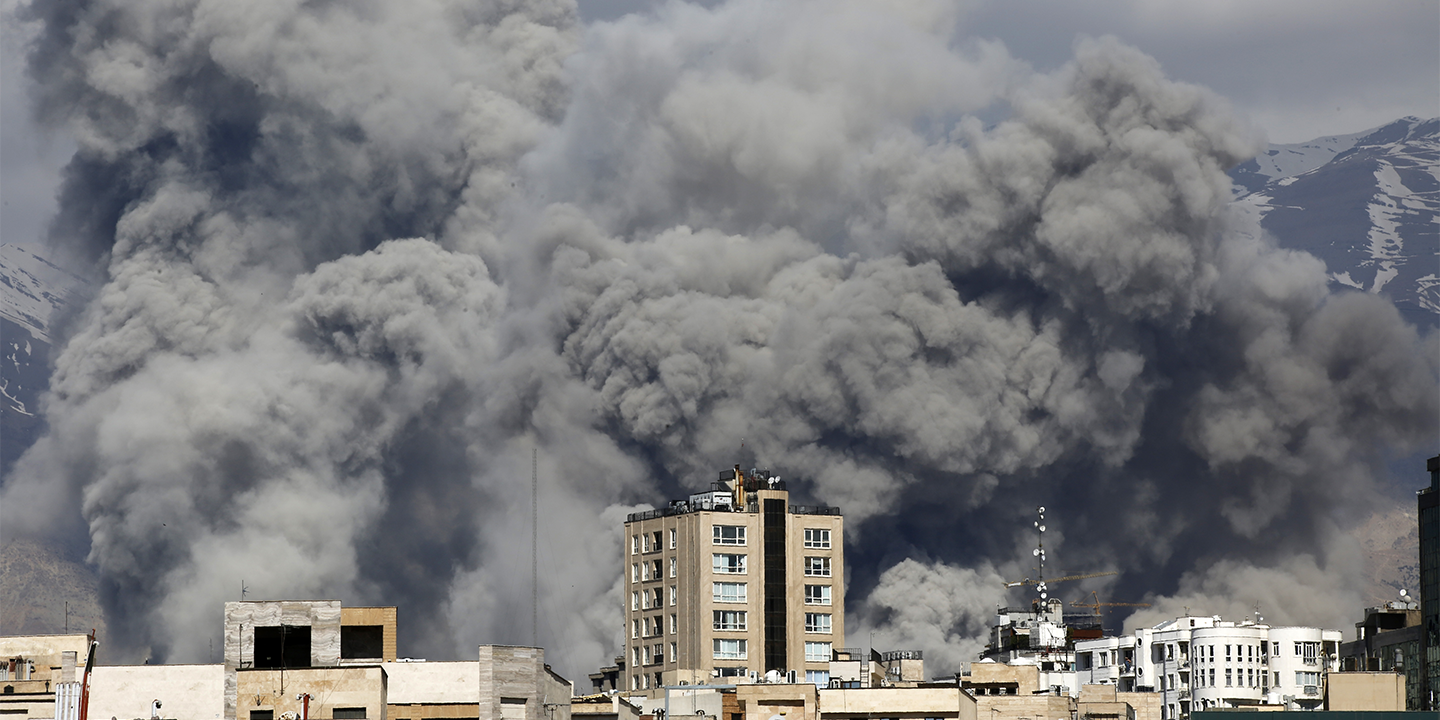
On February 28th, 2026, American strikes killed Iranian Supreme Leader Ayatollah Khomeini. That day, although no official state of war had been declared, the United States and Israel began a sustained campaign of battering central military locales in Iran under “Operation Epic Fury”.
Although since the inception of the nation in 1979 the United States has always been at odds with the Islamic Republic, this attack comes after continual tensions between the US and Iran that go back to both Trump’s first presidency and concerns over the summer regarding their development of a nuclear program. Other reasons for intervention include the destruction of Iran’s conventional weapon stockpile, the neutralization of “terror proxies” which Iran is known for endorsing throughout the Middle East and North Africa, and increasing attention to the freedom of the Iranian people following mass protests this February.
Seeing as this was a preemptive strike and America’s role in the conflict is a varied one, the public’s reaction has been just as diverse. The fundamental question about this war is: what is it really for? The polls don’t seem to give us any response to how the public views it: support is split along partisan lines. According to a PBS poll in early March, around 80% of Republicans support the President’s military actions, while 86% of Democrats oppose them. Meanwhile, many in the Iranian diaspora across the West hope that the end of the war will give them an opportunity to return home. For that reason, they have been supportive of the president’s efforts in the region, although within the Iranian community questions have been raised as to who an Iranian, or Persian, ought to support. The Trump administration has appeared to be relatively straightforward in its objectives. According to a White House press release,the aforementioned reasons for intervention --- destroying nuclear and conventional capabilities, as well as preventing Iranian regional influence --- seem to have formed the administration’s war goals. But even these don’t answer the questions as to what a postwar world really looks like, not just for American interests in the Mideast, but for the state of Iran.
Although success has been quite evident in the assassination of Ayatollah Khomeini, coupled with crucial strikes on air and naval bases across Iran, the world seems to be wondering what a post-war Iran will look like. Will Western control prevail over a country that had been so adamantly anti-Western for four decades? Will reactionary sentiments grow in Iran? Or will there be some compromise, an interregnum period where an Iranian moderate or even the former Shah’s son, Reza Pahlavi (favored by some in the diaspora) takes control before paving the way for democracy? Given the casualties on all sides --- as of March 14th, 13 American service members have been killed, while over 1400 Iranians are dead --- it only seems natural that these questions be asked. And certainly given the history of American involvement in the Middle East, the right to be skeptical ought to be defended.
