
Op-Ed: Why You Don't Understand Contemporary Art
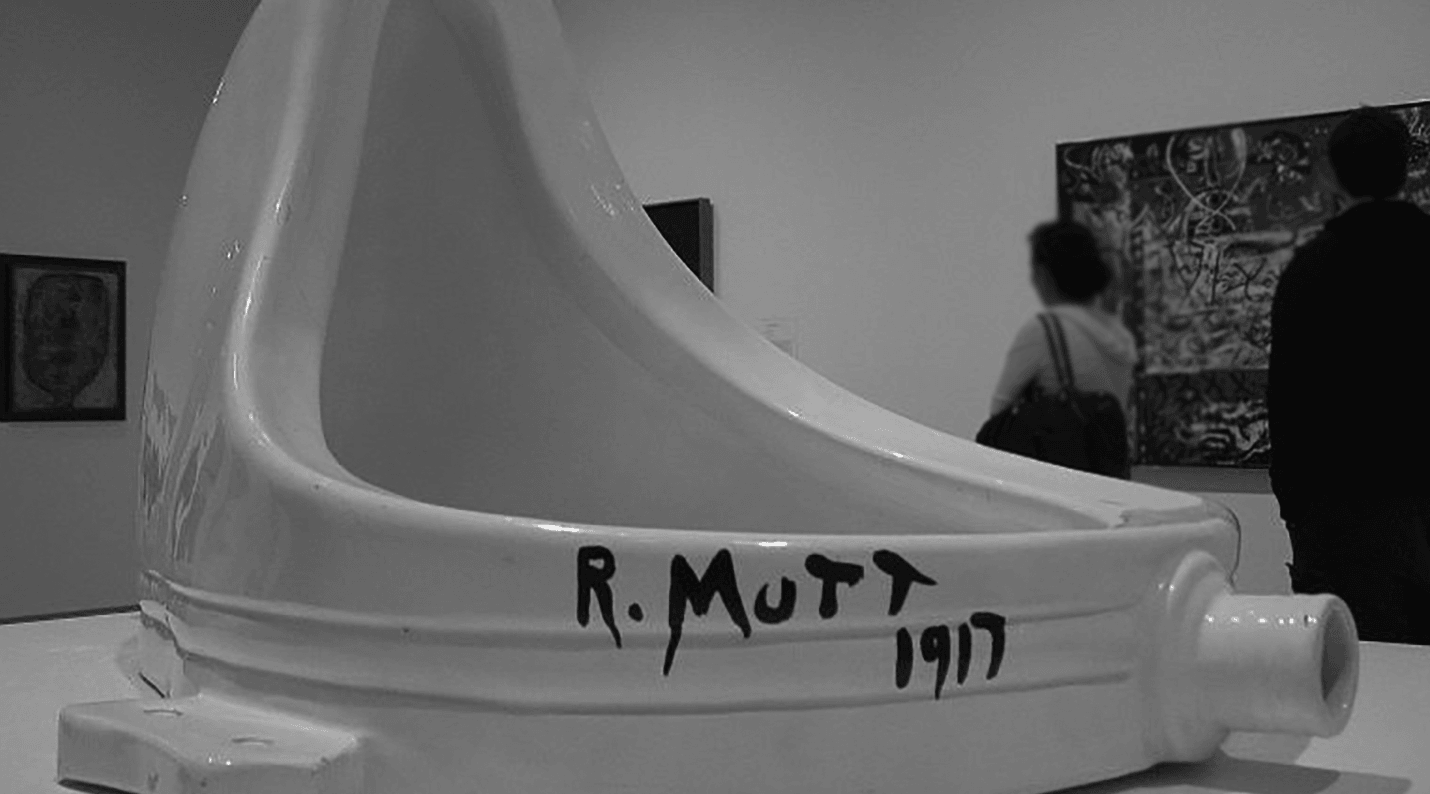
Among the critics of Contemporary Art, both professional and amateur, there is a prevailing idea that it doesn’t represent “sophistication” or “high art.” A canvas smeared with paint, a urinal on a pedestal, and a looping video of someone staring at a wall are all easy targets for this criticism. In reality, judgments of whether something is sophisticated or not involve engaging in acts of social positioning and competition, which is not a form of aesthetic judgment. Before asking if contemporary art is “good,” we should ask who decides this.
To understand this, we should start with French sociologist and intellectual Pierre Bourdieu’s idea of “cultural capital.” Cultural capital is the knowledge, credentials, and cultural fluency that one accumulates over time; crucially, how that accumulation translates into social and economic power. Financial capital can be invested to generate returns, as the cultural capital gains access, prestige, and influence. Bourdieu argued that taste is the primary mechanism for how this capital is protected: “Taste is first and foremost distaste, disgust, and visceral intolerance of the taste of others.” To say that someone has good taste is to say that everyone else’s taste is inferior and taste is never a neutral judgment for Bourdieu, it is a social act.
Bourdieu identified two factions within the dominant class, each with a different relationship to culture. The culturally oriented part of the dominant class, artists, professors, and actors who promote avant-garde art, have to demonstrate how liberal in taste they are to make up for the economic capital they lack. These intellectuals focus their tastes on works that require knowledge to decode and understand: abstract painting, avant-garde cinema, and contemporary art installation. The academic who finds meaning in a blank canvas does not find meaning because of emotion but because understanding why it matters signals membership in an intellectual class. These are the primary promoters of contemporary art. The older, economically oriented faction of the dominant class supports conservative, simple tastes as a way to keep expression to a minimum and make art more accessible to the general population. Both moves from the dominant class are strategic, not aesthetic.
Critics and art galleries, for Bourdieu, are the most important agents of art as they assign value and promote the work of art and its style. The approval of a critic is entirely symbolic, and their approval converts obscure work into legitimate culture. Cy Twombly's red spirals, which look to many like frantic scribbling, became canonical not despite their opacity but because of it. Ultimately, these social actors promote contemporary art because they wish to accumulate cultural capital and, in Bourdieu’s world, power.
